Protect Your Home: Key Services Provided by Professional Electricians
Certified electricians offer vital services that strengthen household security. These experts handle frequent electrical issues and carry out scheduled inspections to uncover existing risks. These experts ensure that installations meet safety standards while also advising on enhancements to older systems. Recognizing these critical services can avoid emergencies and preserve property value. Property owners often question what specific issues electricians tackle and how to choose the best professional for their situation.
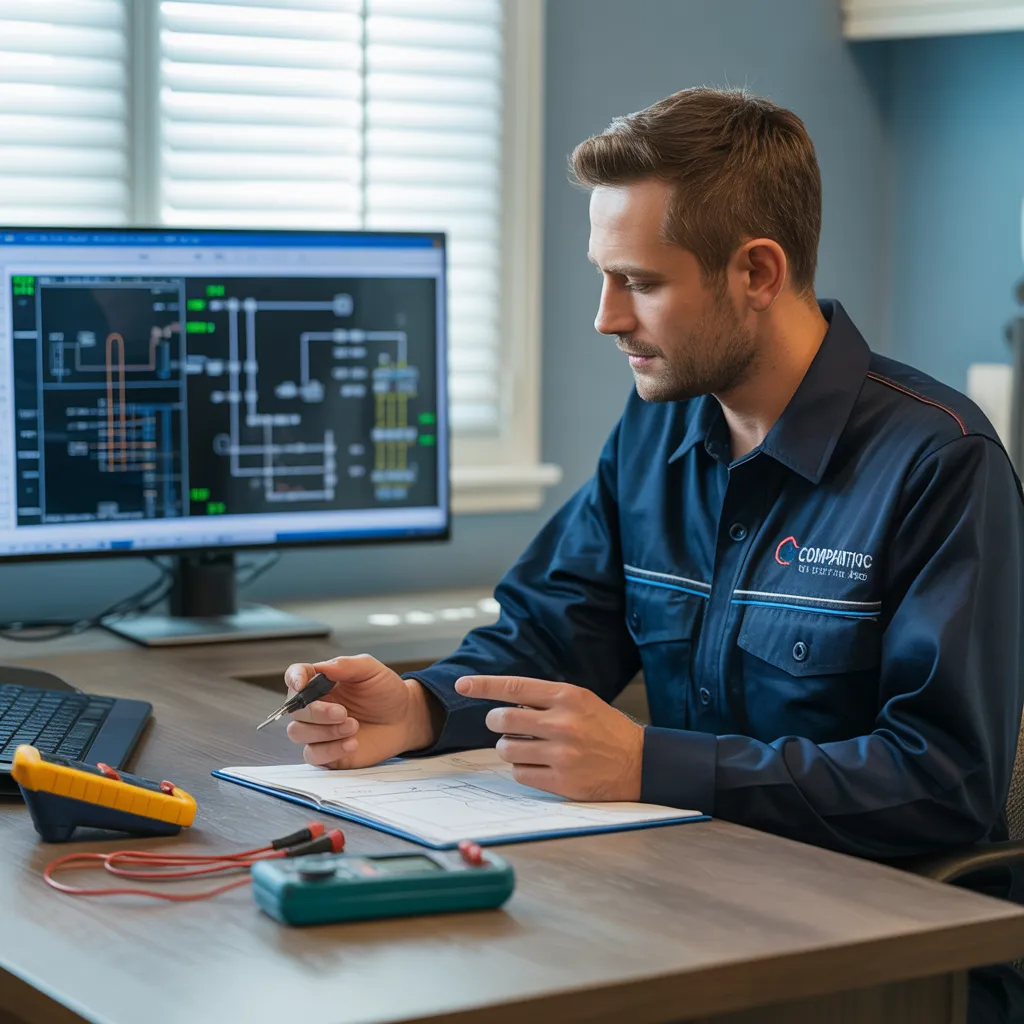
Frequent Electrical Issues and How to Resolve Them
Electrical issues have the potential to affect daily activities, highlighting the need to understand typical concerns and their remedies. Intermittent light flickering, as a common example, are frequently caused by loose bulbs or defective wiring. Securing loose connections or swapping out bulbs can fix this problem. Overloaded circuits, marked by consistent breaker interruptions, can be remedied by reallocating appliances to separate circuits or enhancing the electrical panel.
Another common issue relates to outlets that cease to operate, which can result from tripped breakers or faulty wiring. Checking the breaker and examining the outlet can assist in determining the source of the problem. Additionally, ground fault circuit interrupters (GFCIs) may trip unexpectedly due to moisture or faulty devices; resetting the GFCI or replacing malfunctioning devices can restore functionality. Understanding these typical electrical issues empowers homeowners to tackle problems in a timely manner, guaranteeing safety and effectiveness throughout their homes.
The Importance of Regular Electrical Inspections
Even though many homeowners often ignore the value of regular electrical assessments, these assessments are vital for maintaining safety and efficiency in any property. Regular inspections identify common dangers including defective wiring, aging systems, and overloaded circuits, which can lead to dangerous electrical fires or device malfunctions. By tackling these problems before they escalate, property owners can avoid costly repairs and ensure adherence to safety standards.
Additionally, inspections play a key role in identifying energy inefficiencies within a property, allowing for adjustments that can lead to more manageable energy bills. Certified electricians have the skills to identify subtle signs of wear and tear that an untrained eye might miss. In addition, periodic inspections tend to boost the service life of home electrical systems and connected appliances, supporting the long-term value of the home. At the core of it all, prioritizing regular electrical inspections is a significant step in safeguarding the safety of residents and the structural integrity of the property.
How Inspections Lead to Safe Installations
Periodic electrical inspections play an essential role in making certain that installations are completed safely and properly. These inspections allow licensed electricians to evaluate existing wiring, outlets, and fixtures, identifying potential hazards or code violations before new installations commence. By reviewing the overall condition of the electrical system, electricians are able to resolve problems such as obsolete wiring or insufficient grounding, which may pose a threat to safety.
Furthermore, these evaluations create an opportunity to ensure that all elements satisfy existing safety codes. This forward-thinking step not only strengthens the safety of the installation procedure but also safeguards homeowners against future electrical issues or risks. Professional electricians leverage their skills to advise on required improvements or modifications, making certain that all installations comply with established best practices. Ultimately, regular inspections cultivate a safer living environment, giving homeowners confidence while decreasing the probability of electrical fires or system failures in the future.
Modernize Your Electrical Panel for Optimal Safety
Modernizing an electrical panel is a essential step in boosting residential safety. A dated panel can pose substantial risks, including damage to appliances and electrical fires. Certified electricians suggest this modernization to support contemporary power demands and provide reliable power distribution.
Newer panels come equipped with advanced safety features, such as circuit breakers that promptly interrupt electrical flow in the event of overloads or faults. This reduces the chances of overheating and related dangers. Moreover, upgrading typically permits the installation of additional circuits, addressing the rising number of electronic devices used in homes today.
Homeowners may notice flickering lights, frequent circuit breaker trips, or a burning smell, all signs that an upgrade may be necessary. Consulting a licensed electrician can provide insights into whether an electrical panel upgrade is warranted, promoting a safer home environment while addressing the requirements of modern electrical consumption.
How to Handle an Electrical Emergency
Electrical crises can occur without warning, often emphasizing the importance of a adequately serviced electrical panel. In such circumstances, swift action is necessary to guarantee safety. First, those present should remain calm and evaluate the circumstances. If there is a fire or smoke, evacuating the premises and calling emergency services takes precedence. For electrical shocks, it is important not to make direct contact with the victim and instead use a non-conductive object to separate them from the source of electricity.
In the event of a power outage, inspecting the circuit breaker is a wise measure ahead of calling a licensed electrician. In cases of unusual odors or buzzing sounds from outlets, it is critical to disconnect appliances and cease using them until a certified specialist can examine the system. Above all, keeping copyright details for a licensed electrician on hand can facilitate swift action in critical moments, ensuring safety and reducing potential harm.
How to Find the Right Licensed Electrician
What steps can someone take to ensure they choose the correct licensed electrician for their situation? First, it is essential to verify the electrician's license and insurance, ensuring compliance with local regulations. Next, seeking recommendations from friends, family, or online reviews can provide insights into the electrician's reliability and quality of work.
Moreover, it is advisable to look into the electrical contractor's background and expertise, as certain electricians specialize in residential wiring while others have greater expertise in commercial installations. Seeking a complete pricing estimate, covering materials and labor, helps in comparing costs and avoiding surprises.
Moreover, assessing the ability to communicate is vital; a reliable electrician should communicate problems clearly and answer questions patiently. In conclusion, looking for warranties on services rendered can indicate a pledge to excellence. By evaluating these aspects, homeowners can decide with confidence, ensuring safety and satisfaction with their chosen electrician.
Common Questions and Answers
What Credentials Should I Seek in a Licensed Electrician?
When searching for a certified electrician, you should consider qualifications such as proper licensing, relevant certifications, substantial experience, strong client testimonials, and adherence to safety regulations, securing both expertise and trustworthiness in electrical services.
What Is the Typical Cost of Electrical Services?
Electrical work is generally priced in the range of $50 to $100 an hour, subject to the difficulty of the work and the electrician's qualifications. Extra charges may be incurred for materials, permits, or emergency services outside regular hours.
Do Warranties Exist for Electrical Work?
A large number of professional electricians include service warranties for their services, generally covering materials and labor for a specified period. Such coverage secures the satisfaction of clients and offers assurance regarding the overall quality and lasting performance of the electrical work executed.
Am I Able to Do Electrical Work on My Own?
Although some people may try to handle electrical work on their own, this is typically not recommended. Licensed electricians possess the expertise and knowledge necessary to guarantee safety and compliance with regulations, minimizing the risk of accidents and potential hazards.
How Often Should Electrical Inspections Be Scheduled?
Residential property owners should arrange electrical inspections every three website to five years, or more frequently if issues are present. Periodic inspections assist in identifying electrical risks, providing protection and adherence with existing electrical codes and regulations.